If this happened to you, get to your veterinarian or emergency veterinarian STAT, even if it’s in the middle of the night. That’s because this topical medication is deadly to dogs (and cats) when ingested. Even CNN talking about this after the FDA had multiple reports of dogs DYING from this topical human chemotherapy cream.
5-Fluorouracil (abbreviated 5-FU), commonly known by the brand names Efudex®, Carac®, Adrucil®, and Fluoroplex®, is a chemotherapy medication used for humans with skin cancer like superficial basal cell cancer or actinic keratosis. It is commonly sold in low concentration products (e.g., 0.5-5%), and works by inhibiting DNA and RNA synthesis and production, resulting in programmed cell death.
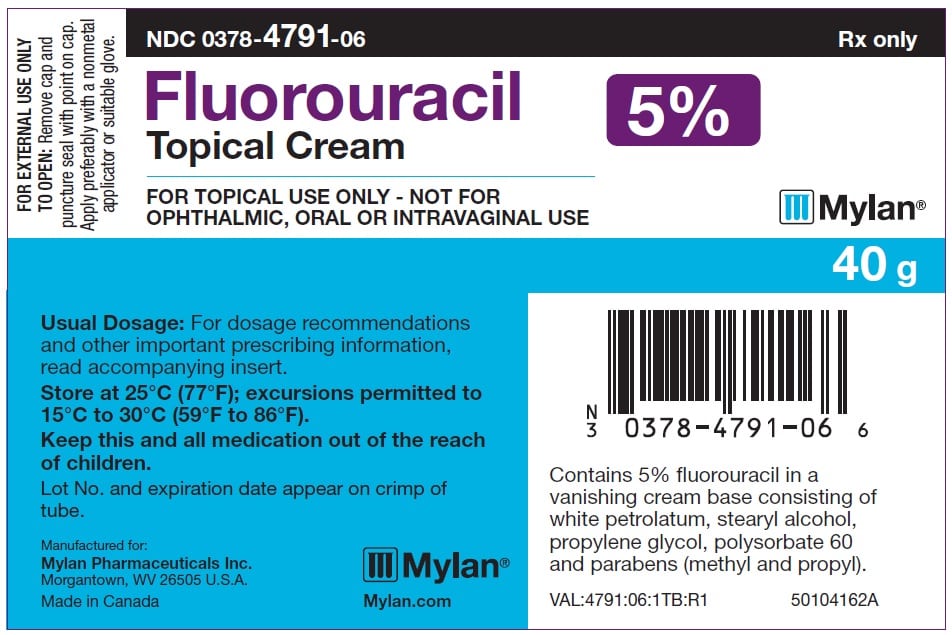
Since people put it on their skin (and don’t ingest it orally), they don’t think it’s as “dangerous.” However, it’s extremely poisoning to dogs and as little as one tube can kill an 80 pound dog. Dogs (and rarely, cats) are commonly exposed to the cream either from licking it directly off you or getting into the tube directly.
Chemotherapy :: Mid Cheshire Hospitals Nhs Foundation Trust
So, how dangerous is it? 5-FU is actually one of the top 5 deadly poisons seen at the ASPCA Animal Poison Control Center.
If your dog or cat gets into 5-FU, signs of poisoning can be seen quickly – within 30 minutes up to 6 hours; death has been reported as early as 7 hours. Signs of 5-FU poisoning include:
Just how poisonous is it? In my opinion as a veterinary specialist and toxicologist, any ingestion needs to be treated by your veterinarian immediately. The lowest reported toxic (oral) dose in dogs is 6 mg/kg, while the minimal reported lethal dose is 20 mg/kg. There is one published case report of a dog that did survive an ingestion of 46 mg/kg of 5-FU with aggressive supportive care and 24/7 hospitalization (for days). That said, the reported survival in dogs is only about 1 out of every 4 dogs (25%). Death (or euthanasia) typically occurs because of secondary complications from the 5-FU such as sepsis (due to a life-threateningly low white blood cell count), increased brain edema and brain pressure (due to persistent seizures), intracranial hemorrhage (due to a life-threateningly low platelet count), or even clotting problems.

Cdx2 Controls Genes Involved In The Metabolism Of 5 Fluorouracil And Is Associated With Reduced Efficacy Of Chemotherapy In Colorectal Cancer
Typically blood work needs to be done 12-24 hours while hospitalized, and then every 3-4 days for 2-3 weeks to monitor the chemotherapy affects on the bone marrow.
Unfortunately, by the time your dog shows any signs of poisoning, it may be too late. That’s why it’s so important to keep this topical medication out of reach – not on counters, in purses or backpacks, etc. If you do think your dog ate some, call your veterinarian, your emergency veterinarian, or the ASPCA Animal Poison Control Center immediately.According to a recent study, the Bok protein from the BCL-2 protein family was discovered to play a role in resistance to the chemotherapy drug 5-fluorouracil (5-FU).

An antimetabolite, 5-FU is an important drug used for many cancers including colorectal cancer, breast cancer, gastrointestinal cancer, head and neck cancer, neuroendocrine tumors, thymic cancers, cervical cancer, and bladder cancer, among others. 5-Fluorouracil works by incorporating toxic substances into cancerous cells, disrupting their ability to divide, which ultimately leads to their death. Acquired 5-FU resistance occurs in up to 50% of colorectal cancer patients, making this issue a major concern.
Treatment Strategies In Colon Cancer Patients. 5 Fu: 5 Fluorouracil.
In this study, published in Proceedings of the National Academy of Sciences of the United States of America, the researchers tested rectal and peritoneal cancer tissue samples taken from cancer patients undergoing surgery, including those who had resistance to 5-FU. One of the study authors, Hamsa Puthalakath, PhD, Associate Professor of Biochemistry at La Trobe University, explained how Bok is involved in 5-FU resistance: …Bok binds with an enzyme called UMPS, enhancing cells' ability to proliferate. Without BOK, cells struggle to synthesize DNA, and they can't proliferate. The same enzyme is also responsible for converting 5-FU into its toxic form in cancer. Therefore, to avoid 5-FU's toxicity, cancer cells turn off Bok.

This research reveals that Bok is a biomarker for predicting 5-FU response. A potential lab test can be developed to test for this protein. In addition, further research is underway to discover how to make 5-FU effective in cases where resistance builds to the drug.
In understanding the science behind chemotherapy resistance, we think that we have found cancer's 'Achilles heel' and this has significant implications for future drug development, Dr. Puthalakath commented.

Fluorouracil Crystal Incorporated, Ph Responsive, And Release Modulating Plga/eudragit Fs Hybrid Microparticles For Local Colorectal Cancer Targeted Chemotherapy
Srivastava R, Cao Z, Nedeva C, et al (2019). BCL-2 family protein BOK is a positive regulator of uridine metabolism in mammals. Proc Natl Acad Sci U S A. [Epub ahead of print] DOI:10.1073/pnas.1904523116
In this study, published in Proceedings of the National Academy of Sciences of the United States of America, the researchers tested rectal and peritoneal cancer tissue samples taken from cancer patients undergoing surgery, including those who had resistance to 5-FU. One of the study authors, Hamsa Puthalakath, PhD, Associate Professor of Biochemistry at La Trobe University, explained how Bok is involved in 5-FU resistance: …Bok binds with an enzyme called UMPS, enhancing cells' ability to proliferate. Without BOK, cells struggle to synthesize DNA, and they can't proliferate. The same enzyme is also responsible for converting 5-FU into its toxic form in cancer. Therefore, to avoid 5-FU's toxicity, cancer cells turn off Bok.
This research reveals that Bok is a biomarker for predicting 5-FU response. A potential lab test can be developed to test for this protein. In addition, further research is underway to discover how to make 5-FU effective in cases where resistance builds to the drug.
In understanding the science behind chemotherapy resistance, we think that we have found cancer's 'Achilles heel' and this has significant implications for future drug development, Dr. Puthalakath commented.
Fluorouracil Crystal Incorporated, Ph Responsive, And Release Modulating Plga/eudragit Fs Hybrid Microparticles For Local Colorectal Cancer Targeted Chemotherapy
Srivastava R, Cao Z, Nedeva C, et al (2019). BCL-2 family protein BOK is a positive regulator of uridine metabolism in mammals. Proc Natl Acad Sci U S A. [Epub ahead of print] DOI:10.1073/pnas.1904523116

0 Response to "5-Fu Chemo"
Posting Komentar